By: Ford Wilder
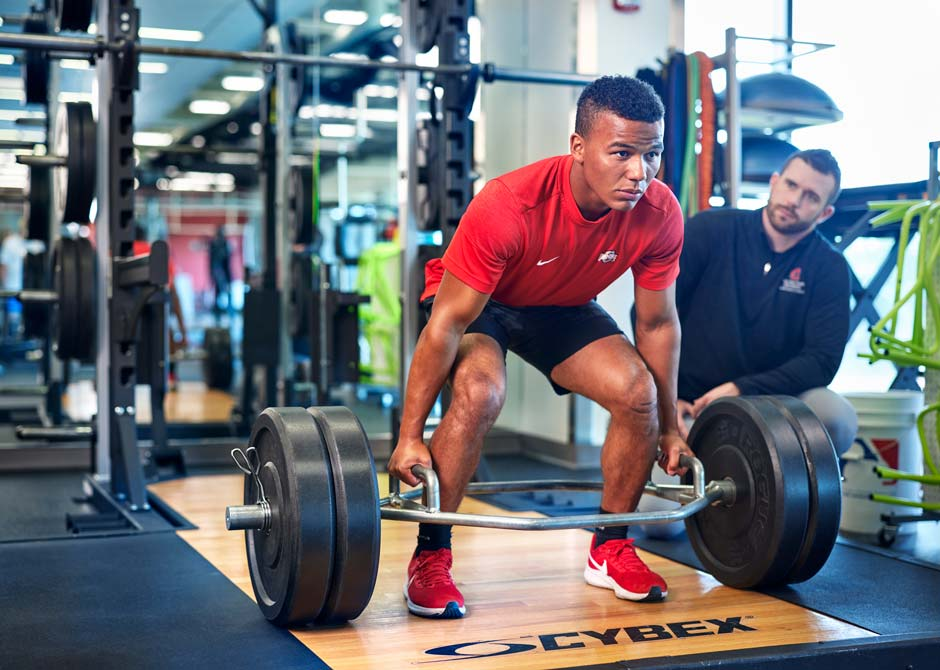
In-season training is crucial for athletes to maintain their strength and speed across a season without diminishing their performance. Along with this, a crucial point many athletes fail to realize is that they can actually continue to get stronger and faster through a season if they train properly and at the correct times and frequencies. Most only think they should train intensely in the off-season, and once a season starts, they can just stop lifting. This is so far from the truth, and there is a reason why all pro athletes lift to some capacity during their season. I am a huge fan of in-season lifting, and I lift throughout my entire year whether I am in football, basketball, or track season. I tailor my training based on how many games I am playing and how my body feels so I do not overtrain or fatigue myself.
A main benefit of in-season lifting is better recovery and load management. Controlled strength training enhances circulation and mobility, which helps muscles recover faster from practices/games. I have noticed that my body has been able to recover at much quicker rates and feels great by the time I play football games on Friday nights. By lifting just two to three times a week, with two being the most efficient, I am not only able to get stronger and faster, but I am also able to withstand big hits and prevent nagging injuries from occurring. My body has a much greater tolerance for impact.
A second crucial benefit is long-term athletic development. While you may not get as strong or as fast as you would in off-season training, and the results may not come as quickly. In-season training gradually builds up, and you will peak in performance near the back half of your season when it counts by simply just lifting heavy two times a week. One upper body and one lower body lift per week will do it. I have stuck to this method the past year, and I have seen my body peak during the playoffs, and the work has paid off.
Ultimately, in-season training is a must-do for athletes, and you are missing out if you do not take advantage of this method. It is not about doing the most; it’s about doing what’s smart and sustainable. Consistency, even in small doses, can separate good athletes from great ones over time. If you want to stay competitive, durable, and perform at your best when it matters most, in-season lifting should be a non-negotiable part of your routine.






 Baron Media Network