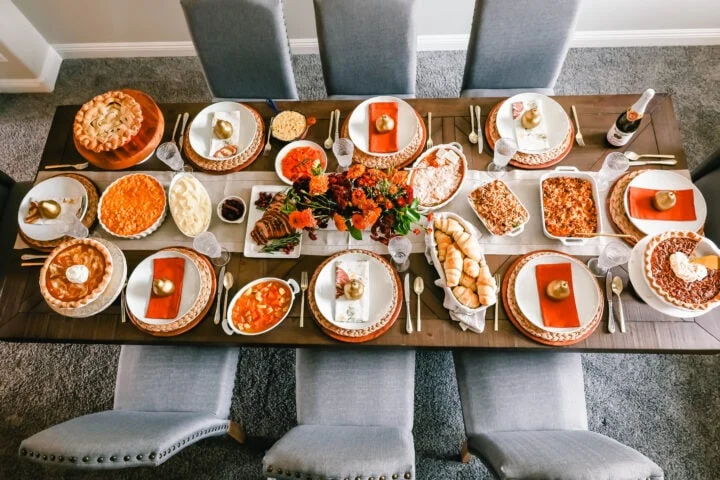
Friendsgiving

By: Maecy Hunt

Friendsgiving might honestly be one of my favorite modern traditions out there. It’s basically Thanksgiving—but with your friends instead of family (and usually way fewer awkward political debates). It’s become a chill, cozy way for teens and young adults to celebrate friendship, gratitude, and, of course, food.

The best part? There are zero strict rules. Some groups do it the weekend before Thanksgiving, others wait until after. You basically just pick a day, invite your favorite people, and make sure there’s food. Lots of food. The main idea is simple: hang out, eat good stuff, and take a break from school, work, and life in general.

Most Friendsgivings are potluck-style, which means everyone brings something to share. Someone brave might take on the turkey (or just grab a rotisserie chicken), while others show up with mac and cheese, desserts, or drinks. It’s not about perfect recipes—it’s about everyone pitching in. Although, let’s be real, there’s always that one friend who insists on cooking the whole meal so the rest of us can just relax and enjoy.

But Friendsgiving isn’t only about stuffing your face. It’s also about remembering why we’re thankful for the people in our lives. Some groups do gratitude notes or go around sharing what they appreciate most; it sounds cheesy, but it’s heartwarming and it’s a good reminder to stay grateful.

In a world that’s always rushing, Friendsgiving gives us a moment to slow down, laugh too hard, and make memories that stick. Whether you’re at a fancy dinner table or sitting on the floor with paper plates, it’s not about the setup, it’s about the people you’re with. Because honestly, the best part of Friendsgiving isn’t the food—it’s the friends.
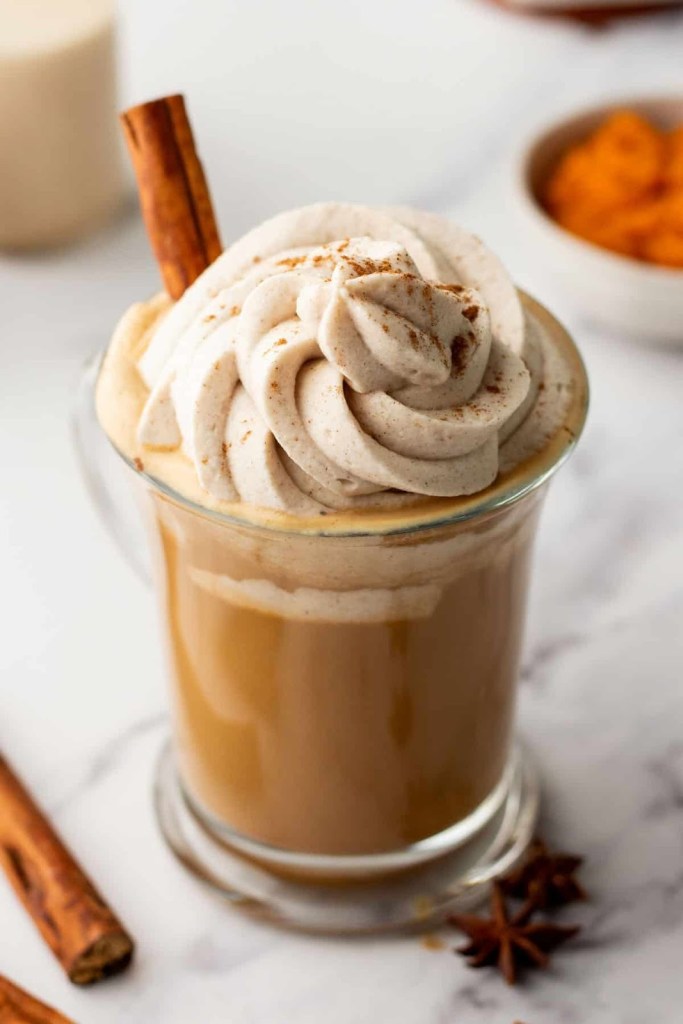
Pumpkin Spice

By: Maecy Hunt

Every year, like clockwork, pumpkin spice shows up and completely takes over. The moment September hits, it’s everywhere — in lattes, candles, cereal, muffins, and, for some reason, even air fresheners. It’s not just a flavor anymore; it’s a seasonal event.

But why are people so obsessed with it?

Technically, “pumpkin spice” doesn’t even contain pumpkin. It’s just a mix of spices like cinnamon, nutmeg, and cloves — stuff we could use any time of year. But something about that combo, during fall, just hits different. Maybe it’s the cozy vibe it gives off. Maybe it’s the marketing. Probably both.

The hype mostly started with Starbucks and the Pumpkin Spice Latte. Since its launch in 2003, the pumpkin spice latte has become the most popular seasonal drink ever. Now, tons of other brands jump on the trend every year, hoping to ride the wave of pumpkin-flavored hype.

At this point, pumpkin spice has become more of a tradition than a taste. People associate it with fall — colder weather, leaves changing, cozy clothes, and yes, a warm cup of something sweet. Even if it’s a little over-the-top, it brings a weird kind of comfort.

So yeah, the pumpkin spice craze might seem ridiculous, but it’s also kind of genius. It turns a basic flavor into a whole seasonal mood. And honestly? If sipping a pumpkin spice latte makes people feel a little happier during midterms or freezing mornings — who’s complaining?

Ratatouille

As a chef, ratatouille is probably one of those dishes that looks simple on the plate but actually takes a lot of effort behind the scenes. People think it’s “just vegetables,” but that’s exactly why it’s tricky—you don’t have anything to hide behind. Every single ingredient has to be fresh, balanced, and cooked just right. First, it’s all about prep. You spend a ton of time slicing zucchini, eggplant, tomatoes, and peppers into perfect, even rounds. That’s the not-so-glamorous part, but it matters. If one slice is too thick, it won’t cook evenly. If it’s too thin, it might burn. Chefs are kind of obsessive about stuff like that. Then there’s layering. You can’t just throw the vegetables into a pan. They have to be arranged in this spiral pattern that makes the dish look gorgeous before it even goes into the oven. Honestly, it takes patience, steady hands, and an eye for color. A real chef would see it like painting—zucchini green next to tomato red, eggplant purple blending with yellow pepper. It’s art, but edible. Finally, the cooking. Ratatouille has to bake slowly so the vegetables soften without turning into mush. The olive oil, garlic, and herbs infuse everything, so when it comes out, it smells amazing. The end result isn’t just food—it’s proof of discipline, timing, and respect for ingredients. That’s what makes ratatouille so “chef-y.” It’s humble but elevated, simple but technical. To pull it off, you need patience, precision, and a love for vegetables. Honestly, I admire chefs who make it look effortless, because behind that perfect plate is a ton of practice and care.