How to Bulk for Football Season

By: Andrew Howle

Bulking for football season is not all about eating everything in sight. There is a perfectly good strategy to bulk with purpose. The bulk is typically initiated to increase muscle, strength, and size for improved performance on the field. Whether you are a lineman looking to strictly improve power, or a skilled position player looking to maintain speed while increasing size. The bulk is an essential tool to this progression of performance within limits.

In order to gain weight, you must eat in a large calorie surplus. This surplus is dependent on what you’re looking to improve with the bulk. It could range from 500-2,000 extra calories on top of your usual intake per day. These calories must contain a large amount of protein and carbs. It is usually recommended to eat about one gram of protein per pound of your body weight. The amount of carbs immensely differs depending on your personal goal of the bulk. It is also important not to skip meals of the day. This specifically calls out breakfast, which many people skip.

These extra calories that are being taken into your body must go to something important like muscle building. It is very important to lift constantly throughout the bulk. This stimulates growth in your body and allows you to put on a bigger frame physically. The most efficient way to put on this size is to track your calories and workouts. This allows you to fill your body with the necessary nutrients to perform at its highest. These extra calories are very pivotal for rebuilding the muscle fibers and tissues of your body.

In conclusion, bulking is a very useful tool to improve performance in football if done right. However, a strict diet and consistent exercise is needed to see the results you are looking for on the field.
Importance of a Healthy Lifestyle

By: Andrew Howle

To begin with, people worldwide often find it challenging to live the ideal healthy lifestyle. However, it’s important to remember that this lifestyle, while it may seem daunting, is entirely achievable. The journey towards a healthier life is not only beneficial but also rewarding, leading to a longer life expectancy. This positive change results from altering one’s diet and habits, which is within everyone’s reach.

The first crucial step in leading a healthy lifestyle is maintaining a balanced diet. This is not just a part of the process, but the cornerstone of a well-rounded lifestyle. A balanced diet equips the body with the necessary nutrients to function at its best. A mix of white meats, red meats, fruits, and vegetables is a great way to promote overall well-being. By understanding and implementing this, you are taking a significant step towards a healthier you.

Another giant step in living healthy is consistent nights of sleep with at least eight hours or more. Sleep is vital for our bodies to function correctly because it is our natural repair system. It rejuvenates our cognitive functions and prevents mental blocks during the day. It heals the body from illness by giving it adequate rest to heal itself in the anabolic state. Sleep cannot be a more important driving force in a healthy lifestyle.

Physical exercise is the last step in proposing that you live a healthy lifestyle. The necessity of physical exercise speaks for itself. With exercise, pursuing a healthy lifestyle is worthwhile. It can be achieved in more ways than one, like weightlifting, running, participating in sports, and exploring other outdoor activities. The amount of exercise an average person needs is vastly underestimated worldwide.

In conclusion, the ideal world where everyone is living a healthy lifestyle is far in the future. However, with the right motives of diet, sleep, and exercise, anyone can achieve it.

Why Protein is so Vital to Athletes

By: Ford Wilder

To start off, many athletes are great within the mental and physical aspects of their sport,but they lack what most might say matters most: nutrition. Nutrition is very important for not just athletes but everyone in general because it fuels your body day in and day out.The main sources of nutrients you need to consume everyday are carbs,fats,proteins,water,minerals, and vitamins. These are all essential nutrients but ,in my opinion, protein is most important to athletes.I believe this because protein is vital for numerous aspects which I will dive into.

The first of reasons is because protein is essential for muscle building and recovery.In long and strenuous weight training sessions,practices,and games.Without protein, your body is unable to give your muscles the amino acids it needs to repair and rebuild. If you do not intake the amount of protein you need then your body will become sore, you will lose muscle mass, and your metabolism will be slowed.

Next off, protein is vital because it balances your diet by ensuring you stay full and satiated throughout workouts and the day in general. By keeping your protein intake at a stable level; it will allow you to limit cravings and keep your diet in check. If your diet is unstable; it will cause you to feel lethargic,sore, and weak.

How one should get their protein intake is a question many ask. This can be answered in pretty simple means. A person should aim for at least one gram of protein per pound you weigh ,so if someone weighs 165 pounds; they should aim for at least 165 grams of protein per day. Athletes should consume their protein through sources of chicken, beef, fish, dairy, protein bars, protein shakes,etc. Also, athletes should aim to get 30 grams of protein within an hour after their workout to ensure muscle recovery.

In all, protein is very essential in the everyday life of athletes and should be a vocal point in their diets. Without the correct amount of protein taken in everyday, a number of consequences will be followed.

Making a healthy diet

By: Luke Pedersen

When it comes to a good healthy diet plan, there are a few key things to keep in mind. Firstly, it’s important to include a variety of fruits and vegetables in your meals. They provide essential vitamins , minerals, and fiber. Aim for at least five servings a day.

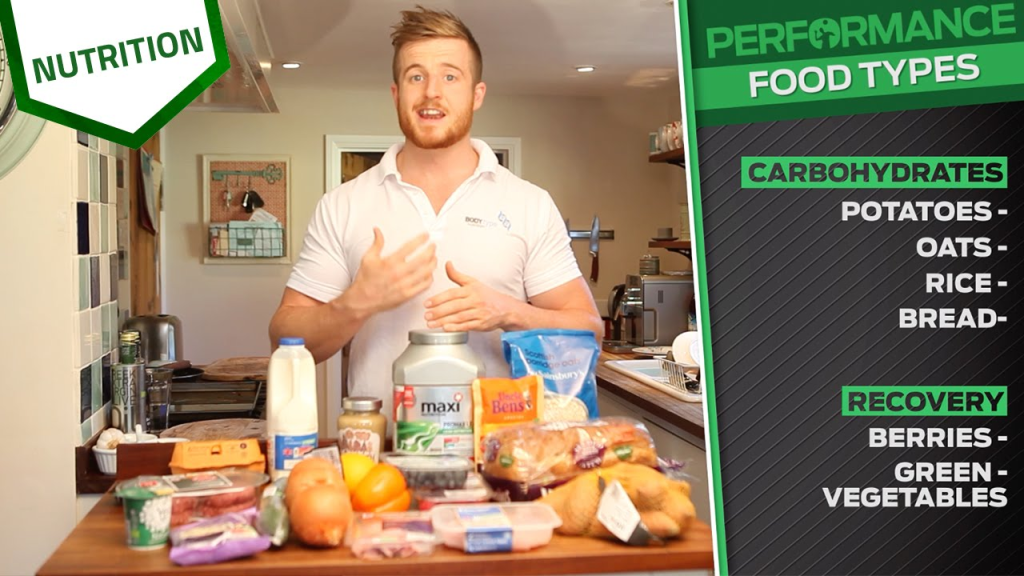
Secondly, incorporate lean proteins into your diet, such as chicken, fish, steak, or beans. These are great sources of protein without the extra saturated fats. Also, whole grains like brown or white rice, rice cakes, and whole wheat bread or even bagels are excellent choices for carbohydrates, as they are rich in fiber and nutrients.

Lastly, don’t forget about healthy fats! Include sources like avocados, nuts, and olive oil in moderation. These fats are beneficial for your body and can help keep you feeling satisfied. Remember, it’s all about balance and portion control. And of course, staying hydrated by drinking plenty of water throughout the day is essential.

Staying consistent is the hardest part of this journey, as preforming simple tasks, such as just waking up on time can be the most challenging at some times. Having balanced calories, carbs, proteins and fats should lead you on the right path to a healthier body and healthier lifestyle.